


1.Preface
Recently, SISU MBA students traveled to New York, the United States, for an overseas study tour themed on financial technology. The delegation visited the Gabelli School of Business at Fordham University, where they attended specialized courses on artificial intelligence, financial technology, computational finance, and corporate innovation. They also visited the National Cyber-Forensics and Training Alliance (NCFTA), the MediaCo media group and Hot 97 radio station, Charles Schwab, and EY. Adopting a model of "classroom learning + corporate research + exchange and reflection," the program enabled students to understand technological transformation, organizational change, and managerial responsibility in real business settings.
2.Specialized Classroom | Understanding Technology — and the Business Logic Behind It
In the specialized courses at Fordham University, faculty began with the basic concepts of artificial intelligence, systematically mapping the technological landscape of machine learning, deep learning, large language models, and generative AI. Through case studies such as customer churn prediction, content recommendation, and risk identification, they demonstrated the complete chain linking data collection, model training, result evaluation, and business application. The curriculum also brought issues such as algorithmic bias, data quality, deepfakes, and privacy protection into discussion, guiding students to recognize that enterprises adopting AI must consider not only efficiency but also compliance, ethics, and social responsibility.
The financial technology and computational finance courses further focused on blockchain, distributed ledgers, smart contracts, quantitative investing, asset pricing, and risk management. Through case analysis, students saw how data, models, and algorithms support investment decisions and risk control, gaining a more intuitive understanding of the composite capabilities future managers need: both business insight and the ability to understand data, technology, and its boundaries.
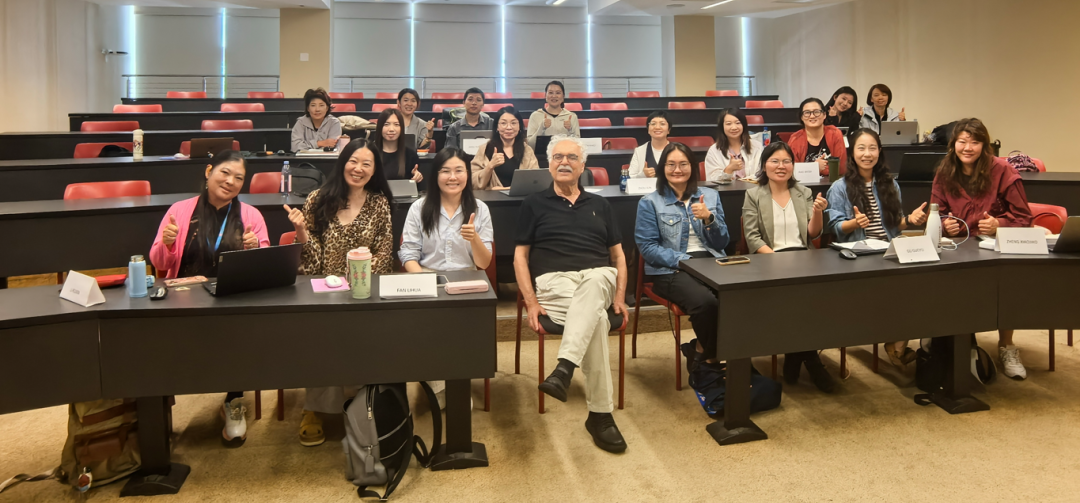
Figure 1: Faculty and students attending specialized courses at the Gabelli School of Business, Fordham University
3.Into the Companies | Observing Transformation and Management in Real Scenarios
NCFTA: Understanding "Reasonable Cybersecurity" Through Information Sharing
At the National Cyber-Forensics and Training Alliance (NCFTA), faculty and students focused on how financial institutions, technology companies, and law enforcement share cyber-threat intelligence through public-private collaboration. The research showed that cybersecurity is not about pursuing the absolute absence of risk, but about building a layered defense system based on organizational resources, risk levels, and business characteristics. NCFTA's introduction to "reasonable cybersecurity" and the CIS layered control framework helped students realize that cybersecurity is no longer merely the responsibility of a technical department, but a management issue concerning governance, compliance, business continuity, and customer trust.
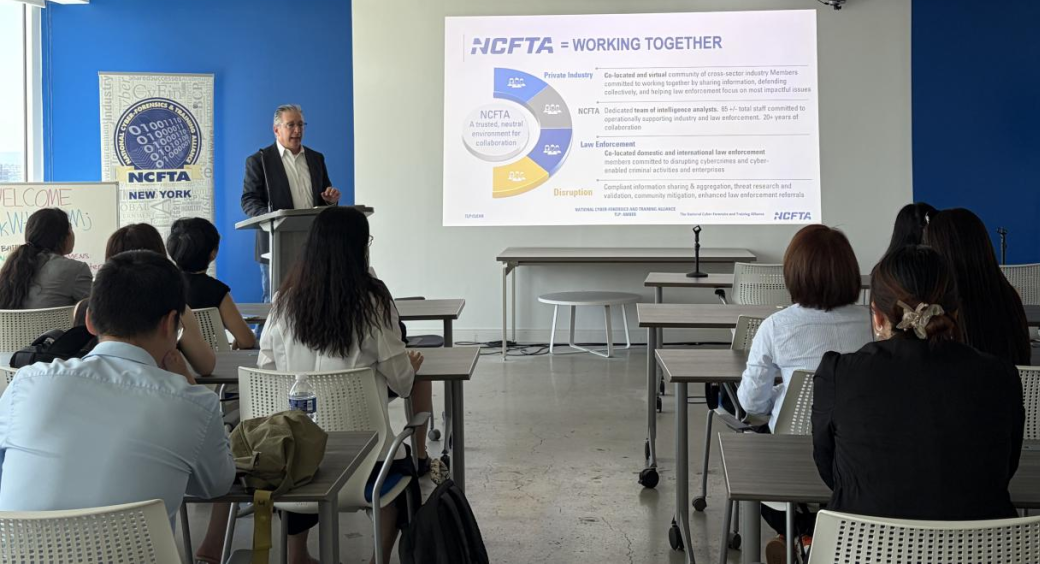
Figure 2: Visit to the National Cyber-Forensics and Training Alliance (NCFTA)
MediaCo and Hot 97: How Traditional Media Rebuilds Revenue, Content, and Talent Systems
At MediaCo and its Hot 97 radio station, corporate managers shared in depth about the digital transformation of traditional media. The company has built a multi-platform presence spanning broadcast, video, streaming, and social media, with digital revenue now accounting for roughly 40 percent. The team expands advertising space through FAST channels, original customized content, live interactive sessions, and social media distribution, while optimizing programming based on listening data, user profiles, and audience feedback. The exchange also touched on real-world issues such as talent renewal, cost control, and organizational communication. Company leaders noted that a new generation of media professionals must not only produce broadcast content but also possess video storytelling, social engagement, and cross-platform operations skills; managers must continuously balance brand heritage, reaching younger audiences, and business performance.
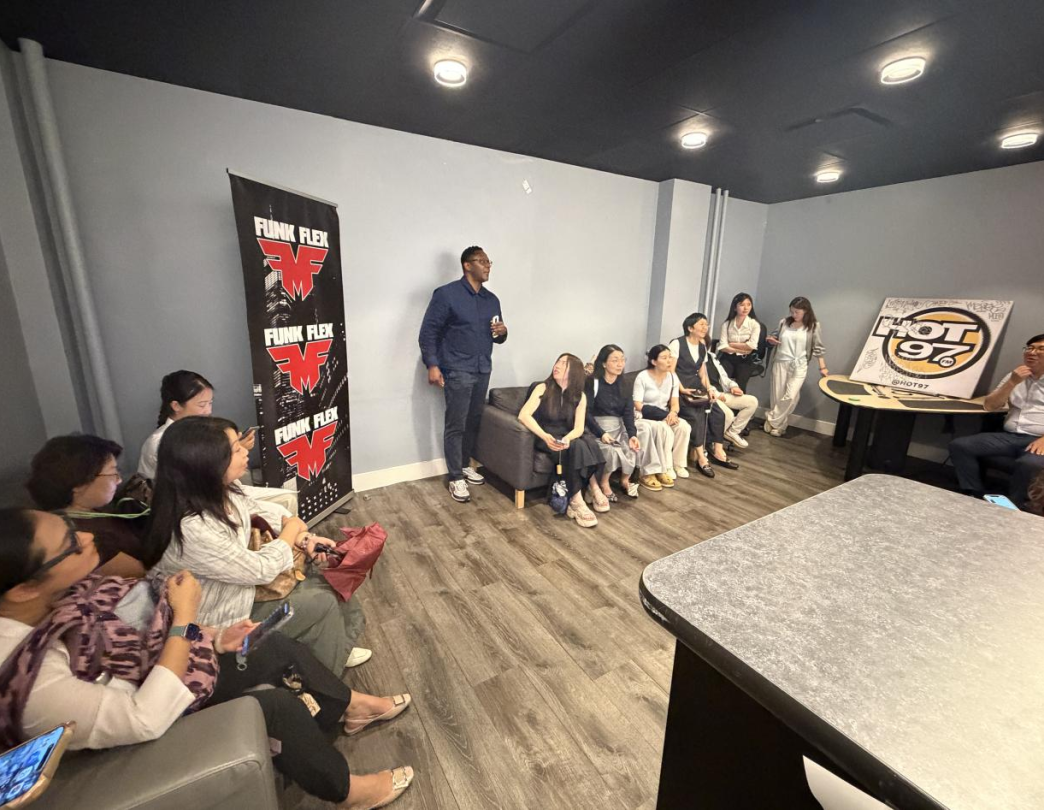
Figure 3: Meeting and exchange at MediaCo / Hot 97
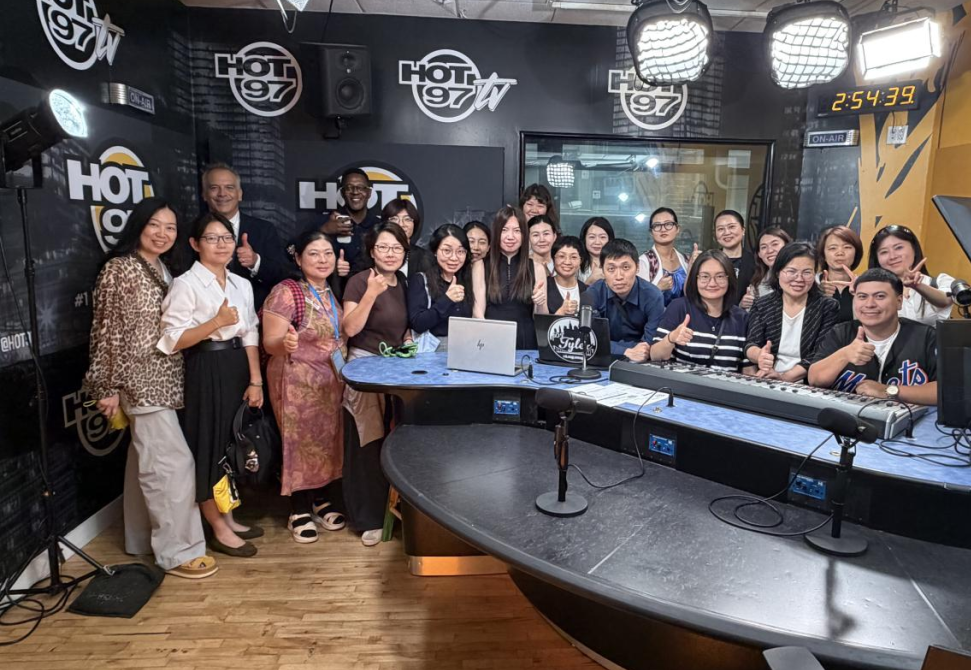
Figure 4: Inside the Hot 97 radio studio
Charles Schwab: From FinTech Applications to Investor Education
At Charles Schwab's New Jersey office, company representatives introduced businesses such as securities brokerage, wealth management, investment advisory, and retirement planning, as well as the organizational collaboration and career paths within a large financial institution. Students exchanged views on topics including AI-assisted financial research, digital assets, Bitcoin allocation, and investor education. The research showed that the value of financial technology lies not only in trading efficiency and product innovation, but also in helping investors build rational expectations, identify risks, and make long-term decisions.
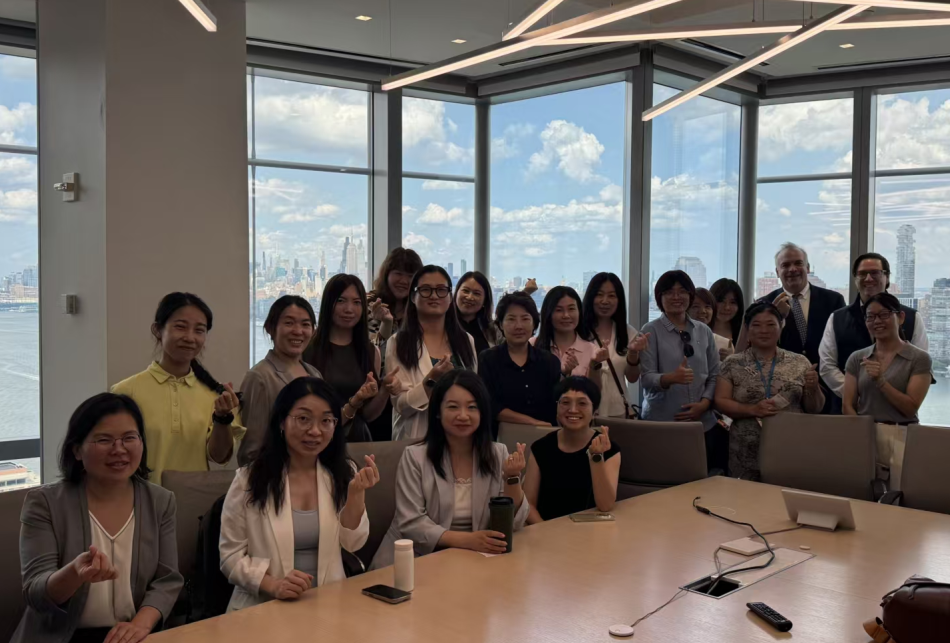
Figure 5: Corporate exchange at a large financial institution
EY: Professional Competence and Long-Termism in Client Relationship Management
In the exchange at EY, a senior executive responsible for key global financial clients drew on his cross-industry career to share a growth path from technical services and financial markets to professional client management. He emphasized that serving large financial institutions requires not only understanding business and risk, but also persistently building trust, coordinating global resources, and developing clear communication. Facing AI's rapid entry into financial services, companies must balance efficiency gains, risk control, regulatory traceability, and organizational culture. For students, this exchange particularly highlighted the importance of relationship building, cross-cultural collaboration, continuous learning, and taking initiative.
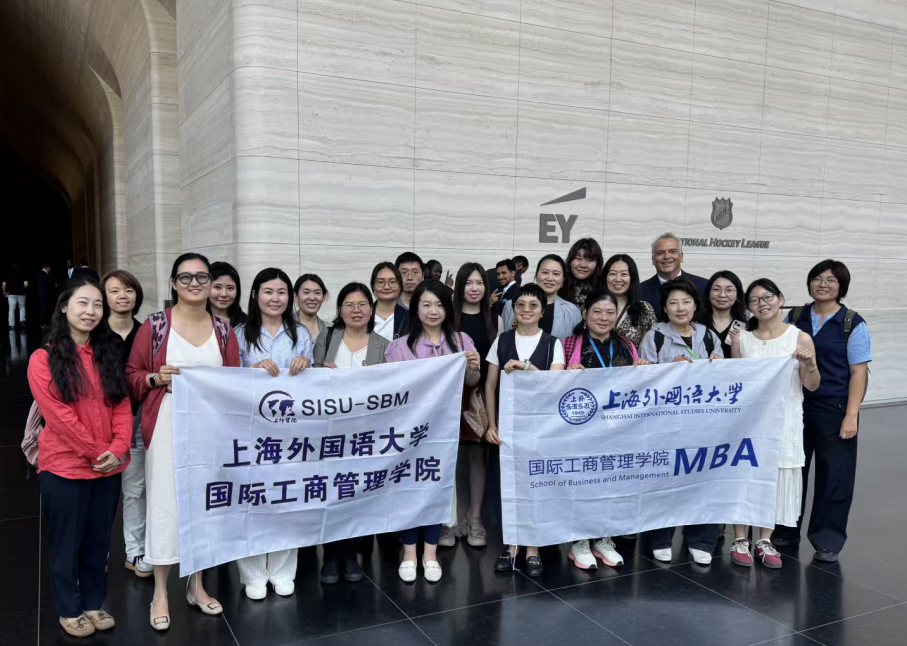
Figure 6: Group photo in front of the EY building
4.Student Experiences | From "Seeing Technology" to "Understanding Management"
The corporate research and classroom learning also translated into students' new understanding of career development, organizational management, and personal capability.
2023 FT4 Xu Tingting
Joining the one-week immersive New York overseas study program, whose core content centered on AI commercialization and corporate innovation, I also visited several local companies on the ground, completing a full learning loop of "theoretical lectures + corporate field visits + industry case discussions." The curriculum comprehensively covered the fundamentals of AI, large language models, commercial application methodologies, algorithmic bias, AI ethics and governance, and digital transformation pathways; the company visits also vividly demonstrated how traditional media rely on AI to upgrade business models and achieve human-machine collaborative operations.
I have worked in the contact-lens accessories industry for years, mainly in fast-moving consumer eye-care consumables such as care kits, insertion and removal tools, care-solution accessories, and smart eye-care devices. This study tour allowed me to step outside the fixed mindset of the domestic industry and understand the value of AI-driven digitalization from a global consumer-products perspective, gaining a systematic leap in product development, customer operations, production management, and long-term corporate development, and forming a completely new planning approach to my own role, business operations, and the industry's future.
In this New York study tour, I moved beyond the fixed view of the domestic industry, deeply integrating cutting-edge AI business theory, the transformation practices of traditional overseas enterprises, and the contact-lens accessories business. This not only filled my digital knowledge gaps but also reshaped the underlying logic of business operations, product innovation, and career development. AI is not a replacement for professionals but a tool that amplifies professional value; human-machine collaboration and data-driven operations are irreversible trends in the consumer-goods industry.
This overseas study tour greatly broadened my international business perspective and laid a solid foundation for my medium- and long-term career planning and business innovation. It was a valuable learning experience combining both theoretical depth and practical value.
2022 FT1 Feng Haixiang
This immersive study tour at Fordham University in New York, leveraging the international curriculum system and the advantage of being adjacent to Wall Street, combined with my own background in education, research, finance, and AI digitalization, achieved an all-round upgrade in educational perspective, financial mindset, and technological awareness, and is highly instructive for my personal career transition.
Educational mindset upgrade. I have long been dedicated to K12 teaching and management in China, focusing on curriculum-standard implementation and exam-score improvement. This study tour gave me a clear sense of the difference between Chinese and American education: China emphasizes solid foundations, while international education places greater emphasis on critical thinking, independent inquiry, and career preparedness, closely aligning with real business settings. I now recognize that modern education is a systematic shaping of ways of thinking and comprehensive competencies. In the future, building on my strengths in standardized teaching, I will integrate international concepts, add critical-thinking training and inquiry-based learning, and align teaching with the long-term growth needs of young people.
Financial mindset iteration. In the past I mostly engaged in traditional accounting work such as bookkeeping and report processing. This close encounter with the Wall Street financial landscape made me realize that digitalization is rapidly replacing basic bookkeeping positions, and purely accounting-oriented finance no longer holds a competitive edge. The core of modern corporate finance lies in business-finance integration, data analysis, and decision support. Going forward, I will move beyond accounting thinking, transition toward management-oriented and value-oriented finance, and empower refined corporate operations with business insight.
AI digitalization empowerment. This was the most cutting-edge takeaway of the study tour. AI is comprehensively reshaping education and finance: enabling intelligent diagnosis of student learning and personalized teaching in education, and improving risk control and data-driven decision-making efficiency in finance. I deeply realize that AI does not replace people but eliminates rigid models. Professionals must possess both professional and digital capabilities. In the future, I will proactively build "AI + education" and "AI + finance" work systems, integrate intelligent tools into research, management, and risk control, and forge an irreplaceable digital advantage.
Overall, this study tour connected the logic of education, finance, and technology across three major fields, completing a transformation from single-dimensional thinking to composite, international, and digital thinking. I will put the concepts and methods I learned into practice, iterate continuously, and steadily achieve high-quality career growth.
5.Deepening the Cultivation of Composite Management Talent Through International Practice
Far from being a simple tour of corporate cases, this New York study tour was a systematic learning experience that ran from technological principles to business models, and from organizational governance to professional capability. Through the continuous linkage of classroom, research, and reflection, students came to understand that AI and financial technology are reshaping how value is created, yet what truly determines whether an enterprise can sustain transformation remains clear strategic judgment, reliable governance mechanisms, open organizational learning, and responsible management practice. Going forward, the school will continue to expand international, practice-oriented teaching scenarios, helping students enhance digital literacy, global vision, and leadership in cross-cultural business environments.
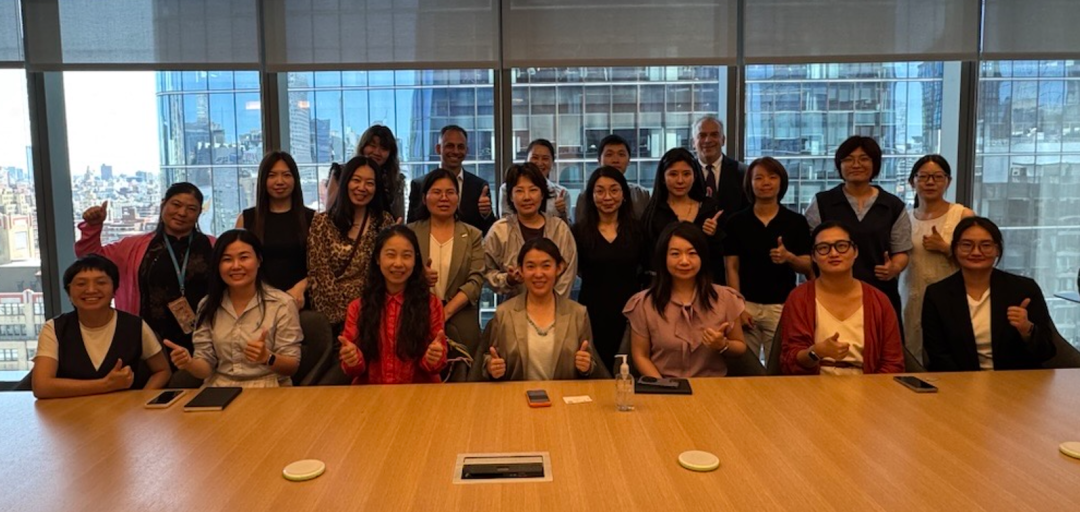
Figure 7: A corporate exchange and group photo during the study tour

