


Recently, at the first Overseas Investment and Comprehensive Services Exhibition and Matching Fair (the "Fair" for short), Shanghai International Studies University (SISU) officially released the 2025–2026 China Culture Going Global Trend Report.
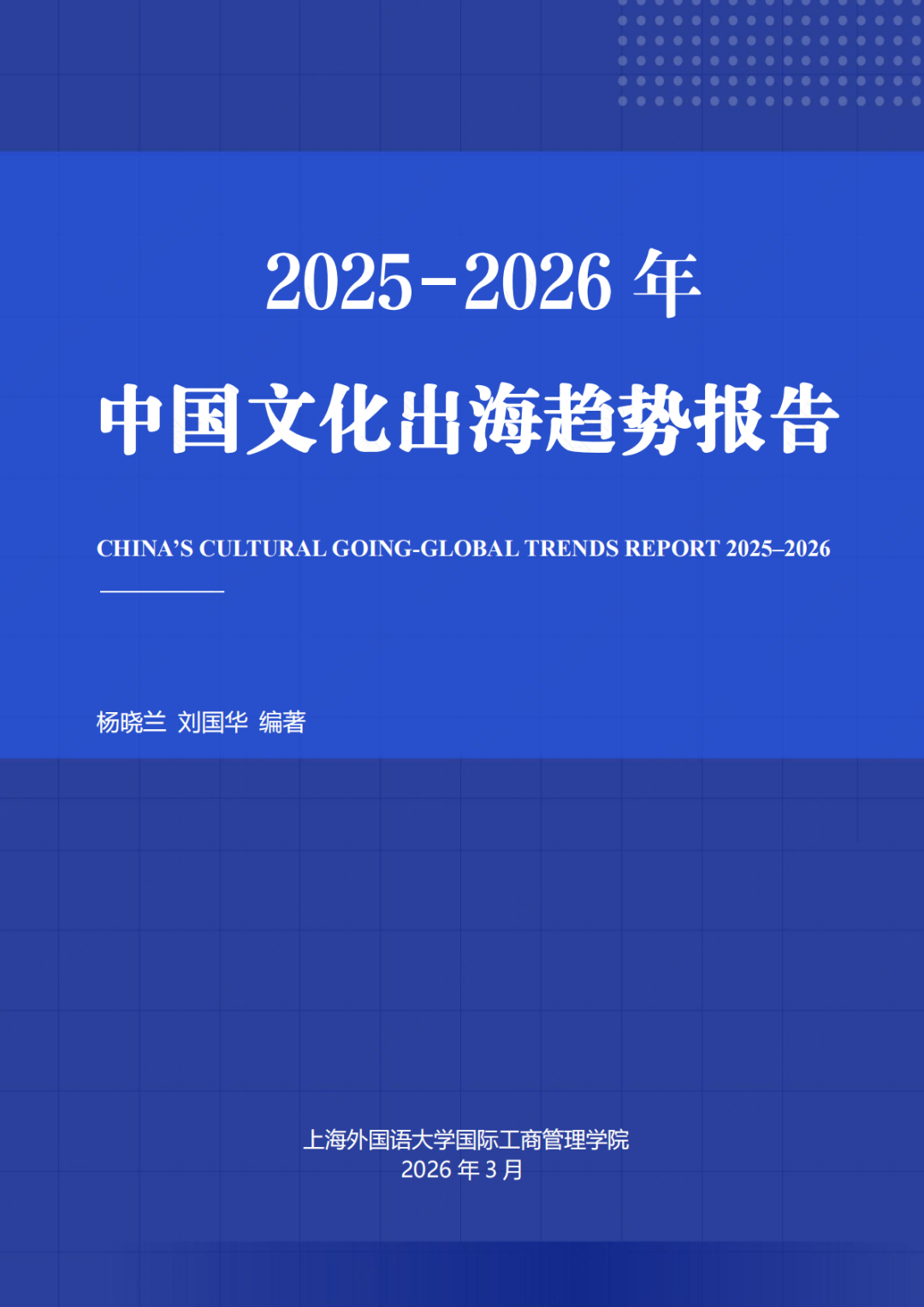
Figure 1: The cover of the 2025–2026 China Culture Going Global Trend Report
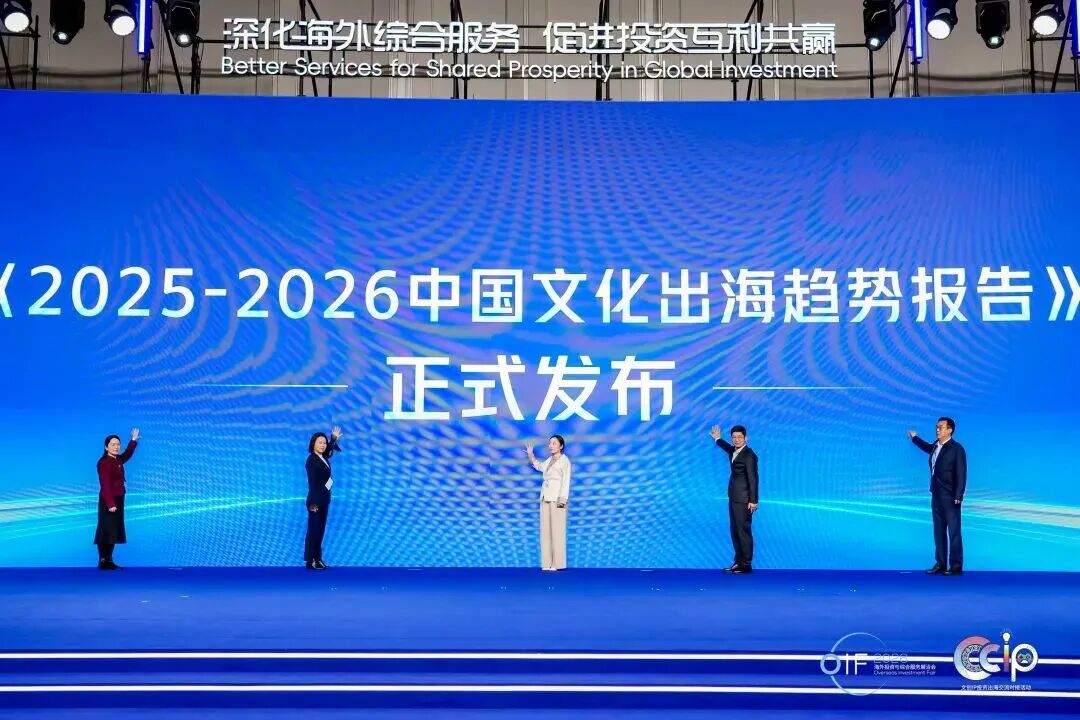
Figure 2: The launch ceremony of the report
Compiled systematically by Shanghai International Studies University, this report is a study of culture going global that spans films and short dramas, games, web literature, short-video social media, and traditional culture. Adopting a rigorous think-tank research paradigm, it serves three core reader groups — government culture authorities, investment institutions, and culture-going-global enterprises — and comprehensively maps the latest dynamics, the underlying logic, and the frontier trends of Chinese cultural products and services going overseas. The full text runs to ten chapters, covering macro-policy and industrial-environment analysis, the construction of a theoretical framework, in-depth analysis of five culture-going-global tracks, a special topic on AI empowerment, comparison of target regional markets, assessment of investment opportunities and risks, and systematic recommendations for multiple stakeholders.
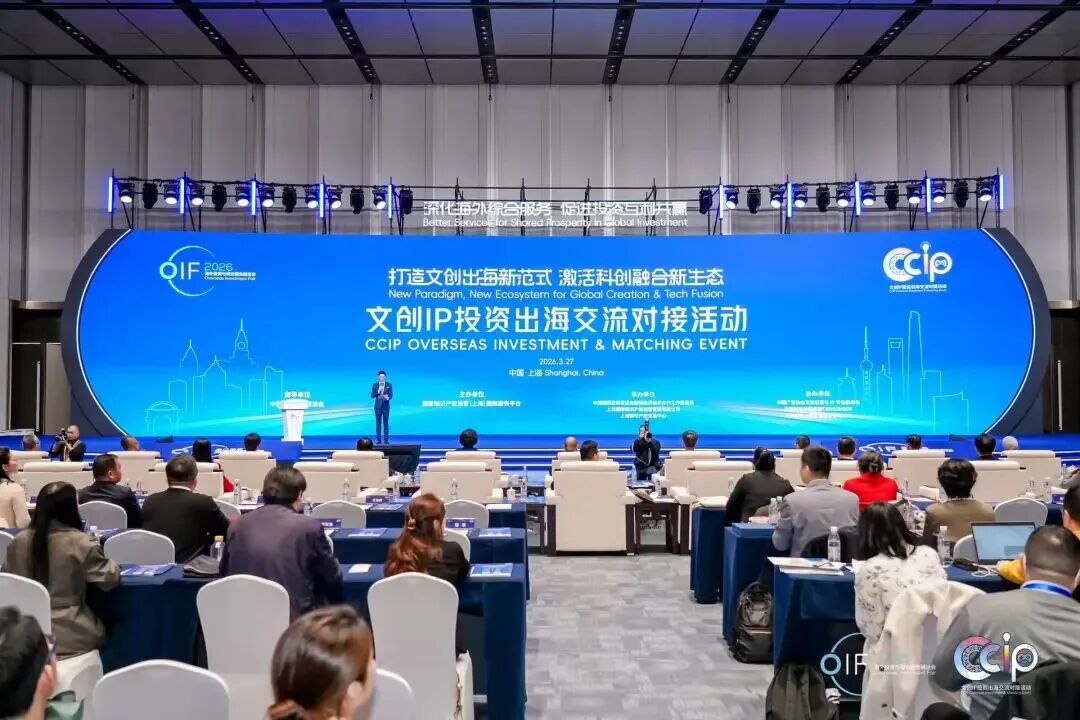
Figure 3: The first Overseas Investment and Comprehensive Services Exhibition and Matching Fair
Breaking through the previous limitation of culture-going-global research that focused on a single field, the Report for the first time systematically analyzes, within one unified framework, five culture-going-global segments: film and short-drama going global, game going global, web literature and digital reading going global, short-video and social media going global, and traditional culture going global (including intangible cultural heritage, cuisine, and cultural and creative products), portraying a complete picture of the globalization of Chinese culture.
In each segment, the Report provides detailed market-size data, in-depth case analyses of representative enterprises and IPs, dissection of business models, and candid assessments of challenges and bottlenecks, with all key data annotated with authoritative sources.
Unlike general industry reports, the Report devotes a dedicated chapter to a theoretical framework, systematically reviewing core academic threads such as cultural discount theory, international cultural communication models, the debate between soft power and sharp power, and value-chain analysis of the global cultural industry. On this basis, it proposes a four-dimensional analytical framework of "policy–market–technology–culture," providing a unified theoretical lens for the empirical analysis throughout the report.
Facing the profound reshaping of the global cultural industry by the wave of generative AI, the Report also sets aside a dedicated "AI and Culture Going Global" chapter, systematically analyzing the disruptive impact of AIGC on content production, the breakthrough progress of AI translation and localization, the specific empowerment paths of AI across film, games, web novels, short video, and traditional culture, as well as the copyright ethics and international regulatory trends around AI-generated content. The Report points out that AI is fundamentally lowering the language barriers and content-production costs of culture going global, and is expected to become a key variable in the leap of the international competitiveness of Chinese cultural products.
For different overseas regional markets, the Report, using its self-developed "market attractiveness–cultural affinity matrix," conducts a horizontal comparative analysis of six target regions — Southeast Asia, the Middle East and North Africa, Europe and the United States, Latin America, Africa, and Japan and South Korea — assessing each region’s market potential, cultural acceptance, regulatory environment, and entry barriers, and providing differentiated regional-strategy recommendations for different types of culture-going-global players.
In addition, for industrial capital and investment institutions, the Report identifies four high-potential investment tracks — short-drama going-global platforms, the "AI + culture going global" toolchain, localization operations services in emerging markets, and cross-media operations of cultural IPs — and establishes a risk matrix covering geopolitics, policy compliance, cultural conflicts, exchange-rate volatility, and the competitive landscape. At the same time, the Report puts forward systematic recommendations respectively for government culture authorities, culture-going-global enterprises, investment institutions, and the academic research community, striving to provide practical, usable reference for the decision-making of all parties.

