


On the afternoon of the 10th, the 12th National Conference of Deans and Department Heads of Public Relations Programs at Higher Education Institutions was held at the Four Points by Sheraton Shanghai, Pudong. Twenty-three representatives from 11 universities that offer undergraduate public relations programs attended the conference, discussing the theme "Designing Digital-Intelligent Professional Course Systems."
The conference was hosted by our School. Dean Yang Xiaolan delivered a welcome address on behalf of the host and presided over the opening session. Wu Youfu, former Party Secretary of the University and President of the National Conference, noted in his speech that with the arrival of the era of artificial intelligence, professionals in public relations need not only emotional intelligence (EQ) but also "digital intelligence." Yang Chen, Head of the Public Relations Department and Vice President and Secretary-General of the Conference, and Song Yan, a doctoral supervisor in public relations, presented respectively on "Demand for Public Relations Talent in the Job Market and Ideas for Designing Digital-Intelligent Professional Courses" and "Digital-Intelligent Technologies Related to Public Relations Majors and Their Required Prerequisite Course Knowledge."
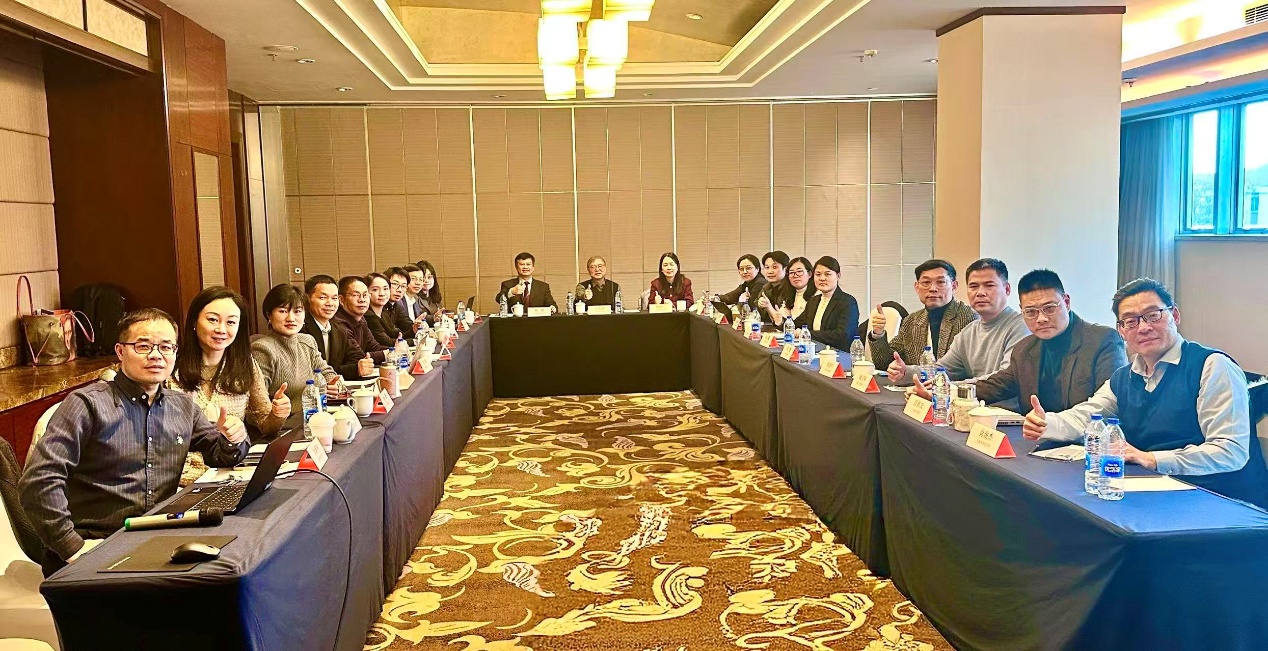
Figure 1: The conference session of the 12th National Conference of Deans and Department Heads of Public Relations Programs at Higher Education Institutions
After careful discussion, the representatives reached a basic consensus: statistics is the most essential mathematics course; Python programming, data mining and analysis, and data visualization are the data science courses that need to be offered; copy and proposal writing, project and event creative planning, and public-opinion crisis monitoring and precise guidance are core competency courses that can be empowered with generative artificial intelligence technology and AI public-opinion monitoring tools; virtual endorsers and short-video communication technology are compulsory courses for application-oriented universities.
Given the new circumstances, the conference, resumed after a five-year hiatus, changed its name from the original "National Conference Committee of Deans (Department Heads) of Public Relations Programs" to "National Conference of Deans and Department Heads of Public Relations Programs at Higher Education Institutions," positioning itself as a professional community; three vice presidents and five deputy secretaries-general were elected.
On the morning of the same day, representatives of the Conference attended the Yangtze River Delta Regional Public Relations Innovation and Development Seminar, where the Shanghai Public Relations Association and the National Conference signed a friendly cooperation agreement, pooling the strength and resources of both parties in academic research, talent cultivation, and other areas, supporting each other to form a combined force. On the morning of the 11th, the representatives visited the Ministry of Education Key Laboratory of "Brain–Computer Collaborative Information Behavior" of the School, deepening their understanding of the application of human–machine collaborative technology. The attending representatives remarked: "This is the conference that has been most helpful to professional development and talent cultivation among all the public relations conferences we have attended in recent years."
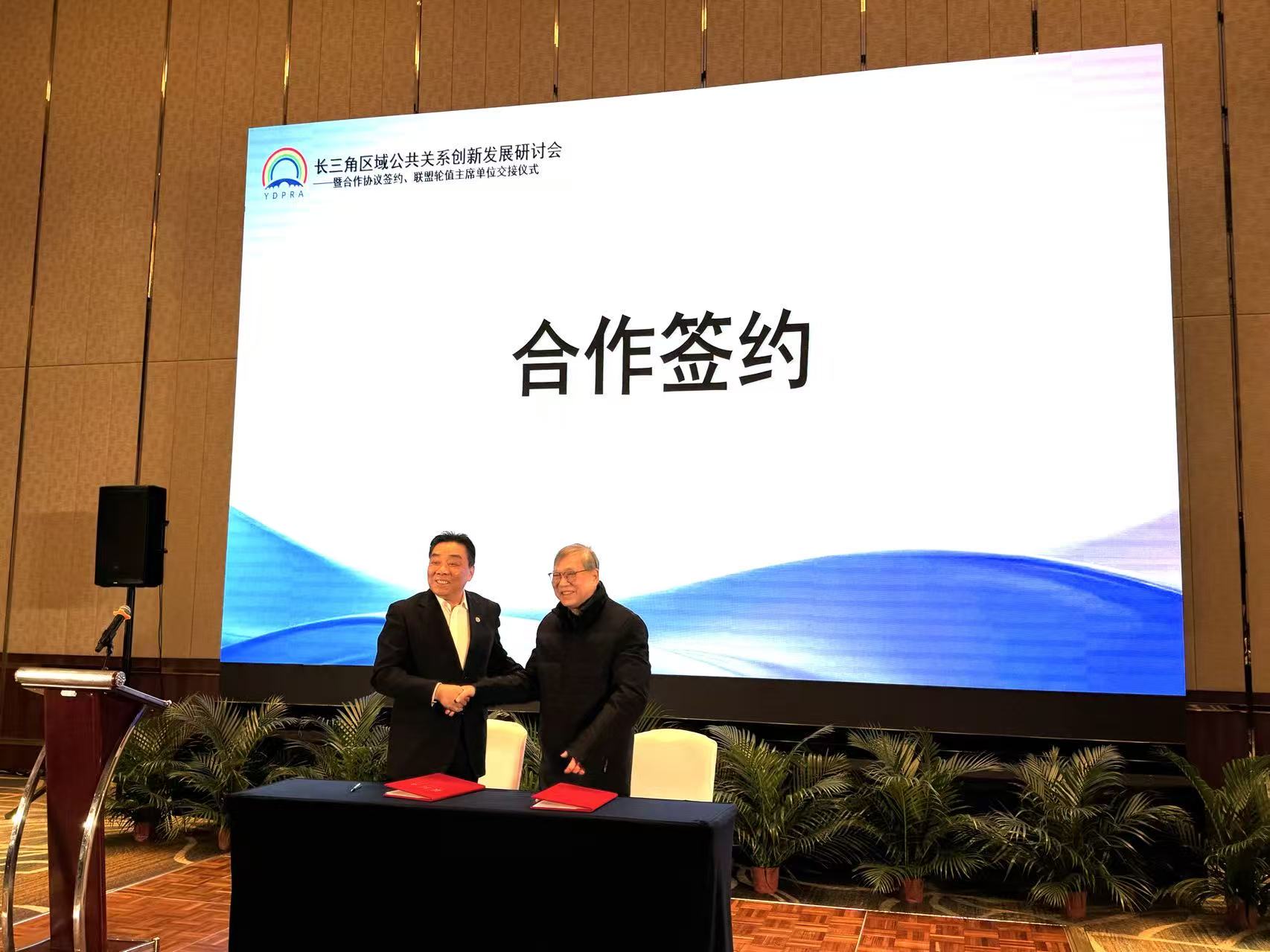
Figure 2: Cooperation signing ceremony at the Yangtze River Delta Regional Public Relations Innovation and Development Seminar

